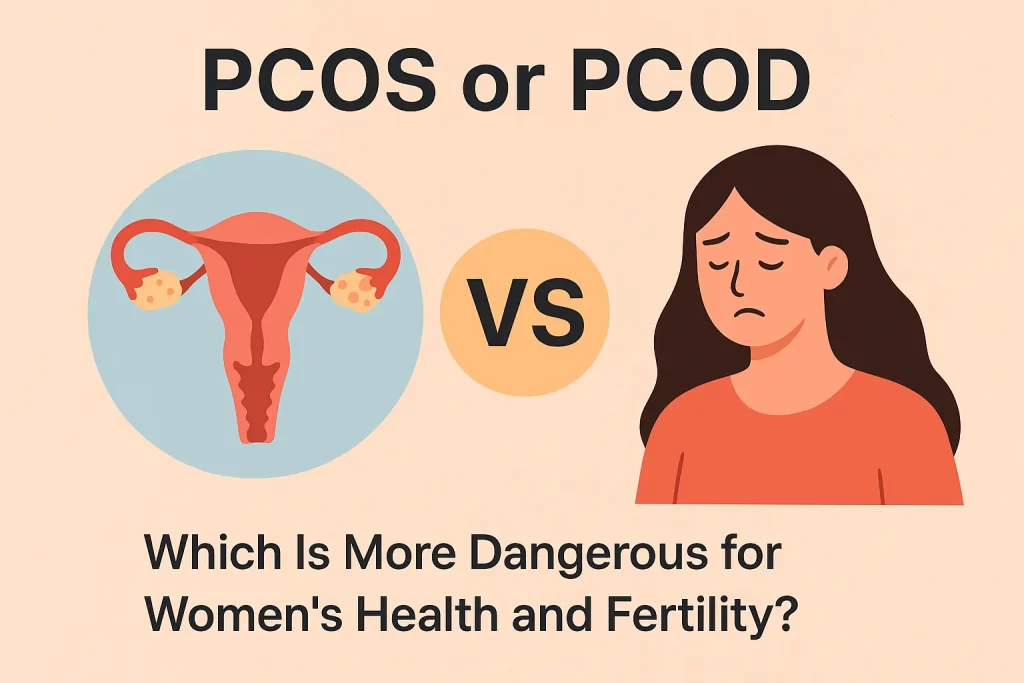
Today many women are diagnosed with PCOS or PCOD at a very young age. Both conditions affect the ovaries and hormones, but they are not the same. Many People Ask a common and serious question is PCOS or PCOD which is dangerous. This confusion often leads to fear and wrong treatment. In this article, we will explain the real difference between PCOS and PCOD, their health risks, fertility impact, and long term effects in very simple language so that every woman can clearly understand her condition and take the right steps on time.
According to DR Buchun Mishra Best gynae oncologist in Delhi, Director of Gynae Oncology at Action Cancer Hospital, New Delhi, and a senior specialist with over 19 years of experience in gynaecological cancer and advanced gynae surgery, early diagnosis and proper lifestyle changes play a key role in managing PCOS and PCOD. Dr Mishra has treated a large number of women with complex Hormonal and Fertility related problems and strongly believes that timely medical care can prevent serious long-term complications.
What Is PCOD and How It Affects Women’s Hormone Health
PCOD means Polycystic Ovarian Disease. It is a condition where the ovaries release many immature eggs. These eggs later form small cysts inside the ovaries. Because of this, hormone balance gets disturbed and periods become irregular.
PCOD is mainly caused by poor lifestyle, stress, lack of exercise, unhealthy food habits, and sudden weight gain. It is very common among working women and young girls today. The good thing is that PCOD is mostly manageable. With regular exercise, healthy food, and basic medicines, most women get normal periods again and live a healthy life.
PCOD usually does not cause permanent damage to the ovaries. Ovulation still happens in many cases, but not on time.
What Is PCOS and Why It Is Considered a Serious Hormonal Disorder
PCOS means Polycystic Ovarian syndrome. It is a more serious hormonal and metabolic disorder. In PCOS, the body produces excess male hormones called androgens. This leads to multiple health problems along with ovarian issues.
Women with PCOS often face very irregular periods or no periods for many months. Excess facial hair, severe acne, hair thinning on the scalp, obesity, and difficulty in losing weight are very common. PCOS is also linked with insulin resistance, which increases the risk of diabetes and heart disease.
Unlike PCOD, PCOS is a lifelong condition and needs continuous medical monitoring.
PCOS or PCOD Which Is Dangerous for Long Term Health
When we compare both conditions medically, the answer to PCOS or PCOD which is dangerous is very clear. PCOS is more dangerous than PCOD because it affects the entire body, not just the ovaries.
PCOD mainly causes menstrual problems and mild hormone imbalance. PCOS affects periods, fertility, metabolism, heart health, sugar levels, and mental health. If PCOS is ignored for many years, it can lead to serious diseases like diabetes, high blood pressure, and even cancer of the uterus lining.
Difference Between PCOS and PCOD in Causes and Risk Factors
PCOD is mainly caused by lifestyle problems such as poor diet, lack of Physical activity, stress, and obesity. It is more common in urban areas.
PCOS has a strong genetic link. If a woman’s mother or sister has PCOS, her risk is higher. PCOS is also linked with insulin resistance, where the body is unable to use insulin properly. This leads to high insulin levels, which then increases male hormone production.
Because PCOS is linked with genetics and metabolism, it is more complex and risky than PCOD.
PCOS vs PCOD: Effect on Periods and Ovulation Cycle
In PCOD, Periods are irregular but ovulation still occurs in many cases. This is why Pregnancy is usually possible with simple treatment.
In PCOS, ovulation is highly disturbed. Some women do not ovulate at all. Periods may stop for months or come only a few times a year. This severely affects fertility.
This difference in ovulation pattern is a major reason why doctors consider PCOS more dangerous.
PCOS or PCOD Which Is More Dangerous for Pregnancy and Fertility
PCOD usually causes mild fertility issues. With weight control, diet improvement, and medicines, many women conceive naturally.
PCOS is one of the leading causes of infertility. Women with PCOS have difficulty in egg release, poor egg quality, and hormonal imbalance. Even after pregnancy, they have a higher risk of miscarriage, pregnancy diabetes, high blood pressure, and preterm delivery.
So when we talk about fertility and pregnancy, PCOS is clearly more dangerous.
What is the Long Term Health Risks of PCOS Compared to PCOD?
PCOD does not usually cause serious long term health problems if managed early. The risks mainly include obesity and irregular periods.
PCOS can lead to serious health problems if not treated properly. These include type 2 diabetes, heart disease, high cholesterol, fatty liver, sleep problems, and increased risk of uterine cancer in women who do not get periods for long time.
These long term risks make PCOS a condition that must never be ignored.
Common Symptoms of PCOS and PCOD to Identify the Condition Early
Common symptoms of PCOD include irregular periods, weight gain, acne, and sometimes mild facial hair growth.
PCOS shows more severe symptoms such as very irregular or absent periods, excessive hair on face and body, severe acne, baldness patterns, dark skin patches on neck and underarms, and extreme weight gain.
Early detection through these symptoms can help in better control of both conditions.
Medical Tests Used to Diagnose PCOS and PCOD
PCOD is diagnosed using ultrasound and basic hormone blood tests. The ovaries appear enlarged with many small cysts.
PCOS diagnosis needs a combination of ultrasound, hormonal tests, blood sugar levels, and clinical symptoms. Doctors also check insulin levels and cholesterol in PCOS patients.
The need for advanced testing in PCOS reflects its deeper health impact.
Treatment Options for PCOS and PCOD for Hormone Balance
PCOD is mostly treated with simple lifestyle changes. Regular exercise, healthy food, and medicines to bring periods on time are usually enough. In many women, these steps control the problem very well.
PCOS treatment is long term. It includes weight control, proper diet, medicines to control insulin, and medicines to balance hormones. If a woman is planning pregnancy, fertility medicines may also be needed.
There is no permanent cure for PCOS, but it can be controlled for a long time with the right care.
By Changing Lifestyle You can Control PCOS and PCOD Naturally
Daily exercise, healthy eating, proper sleep, and low stress help control PCOD and PCOS naturally. Junk food, oily food, and excess sugar should be avoided.
Daily walking, yoga, and light workouts help balance hormones in a natural way.Women who follow a healthy lifestyle often see good improvement even with fewer medicines.
Mental and Emotional Effects of PCOS Compared to PCOD
PCOD usually has less effect on mental health because its symptoms are mild.
PCOS affects mental health more deeply. Weight gain, unwanted hair, acne, and fertility problems often reduce self-confidence. Many women feel stress, anxiety, mood swings, and even depression. Long-term treatment can also cause emotional pressure.
Because of this, mental health support is very important in PCOS & PCOD counseling Delhi.
Can PCOD Turn Into PCOS in the Future
If PCOD is ignored and lifestyle does not improve, the risk of PCOS can increase over time, especially with weight gain and insulin resistance.
Not every woman with PCOD will get PCOS, but the risk stays if health discipline is poor. This is why early control of PCOD is very important.
Medical Opinion on PCOS or PCOD Which Is More Dangerous
According to Dr. Buchun Mishra hormone imbalance doctor Delhi PCOS is medically more dangerous than PCOD. He explains that PCOD is usually a manageable condition that improves with lifestyle changes, while PCOS is a long-term hormonal and metabolic disorder that needs continuous medical care. Based on his clinical experience, Dr. Mishra also states that untreated PCOS can increase the risk of infertility, diabetes, heart disease, and other serious health problems.
How Women Can Prevent Serious Complications of PCOS and PCOD
Regular health checkups, early diagnosis, healthy food, daily exercise, stress control, and timely treatment can prevent most serious problems. Women should never ignore irregular periods, sudden weight gain, or unwanted hair growth.
Taking action at the right time helps protect both fertility and long-term health.
Final Conclusion on PCOS vs PCOD Health Risks
PCOD and PCOS both impact a woman’s health, but their symptoms and seriousness are very different. PCOD is a commonly seen condition and in most cases it can be controlled with healthy lifestyle changes.
On the other hand, PCOS is a long term hormonal and metabolic disorder. If it is not treated properly, it can cause serious health issues for women over time.
From a medical point of view, PCOS is considered more dangerous than PCOD because it affects many parts of the body at the same time. It can disturb fertility, heart health, blood sugar levels, mental well-being, and daily quality of life. However, with early diagnosis, proper treatment, and a disciplined lifestyle, women can still live a normal and healthy life.
