Pap smear screening is a vital part of women’s preventive healthcare and plays a key role in early detection of cervical cancer. Despite being a commonly recommended test, many women feel hesitant due to fear, lack of information, or misconceptions. Questions like Is Pap smear painful?, What happens if it is skipped?, or What exactly does it detect? are frequently searched online.
This detailed guide explains Pap smear screening in simple language, addresses common concerns, and helps women understand why this test is an important part of Gynaecological Cancer Screening.
What Is Pap Smear Screening?
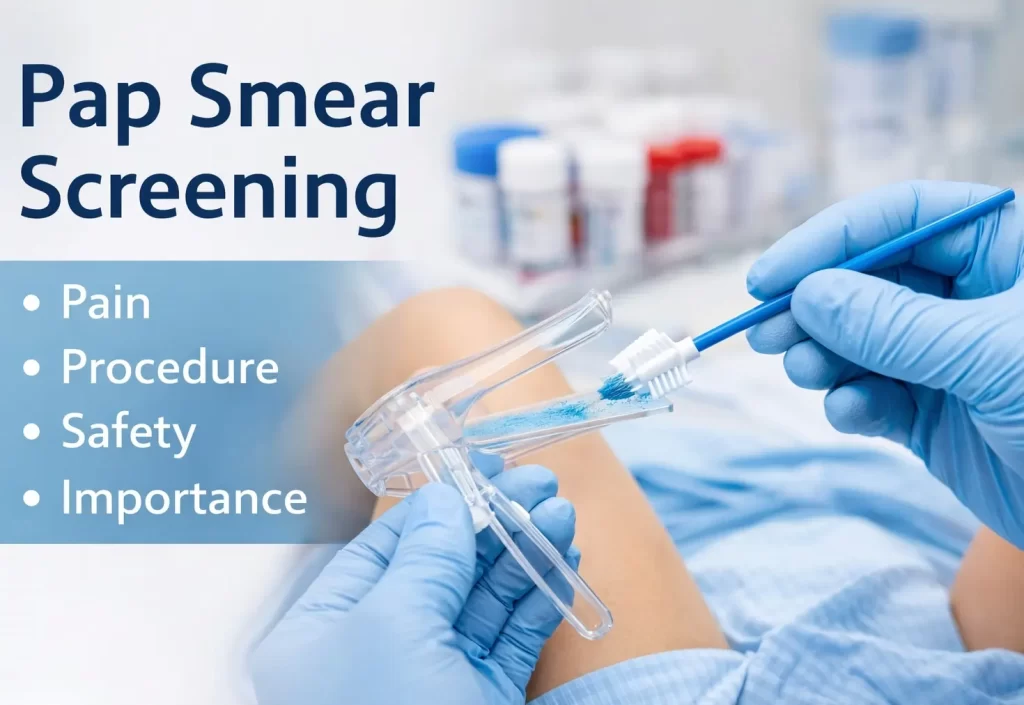
A Pap smear is a screening test used to examine cells collected from the cervix. The cervix is the lower part of the uterus that opens into the vagina. Changes in cervical cells often develop slowly and usually do not cause symptoms in the early stages.
Pap smear screening helps detect abnormal or precancerous cell changes before they turn into cervical cancer. It is a preventive test, meaning it helps identify risk early rather than diagnose advanced disease.
Why Pap Smear Screening Is Important
Cervical cancer is one of the cancers that can often be prevented with regular screening. Most early cervical cell changes do not cause pain, bleeding, or discomfort. Without screening, these changes may go unnoticed for years.
Regular Pap smear screening allows:
- Early identification of abnormal cervical cells
- Timely medical evaluation and monitoring
- Reduced risk of cervical cancer progression
- Better long-term outcomes with minimal intervention
This is why Pap smear screening is strongly recommended as part of routine women’s health care.
Is Pap Smear Test Painful?
This is one of the most common concerns among women.
For most Women a Pap smear is not painful, though it may feel mildly uncomfortable. The test involves the gentle insertion of a speculum to view the cervix, followed by Quick collection of cervical cells. Some women feel pressure or slight pinching, but it usually lasts only a few seconds.
Pain is not expected. If a woman experiences significant discomfort, she should inform the healthcare provider so adjustments can be made.
How Long Does a Pap Smear Take?
The Pap Smear procedure itself usually takes less than five minutes. Including preparation and explanation, the entire appointment often takes around 10 to 15 minutes.
Because the test is quick, delaying it due to fear or anxiety is often unnecessary. Understanding the short duration helps many women feel more comfortable about scheduling screening.
What Happens If You Never Get a Pap Smear?
Skipping Pap Smear Screening can increase the risk of cervical cancer being detected at a later stage. Early cervical cell changes usually do not cause symptoms, so without screening, there may be no warning signs.
Women who do not undergo regular Pap smear screening may only discover cervical problems when symptoms appear, which often indicates more advanced disease. Regular screening allows early action and simpler management.
Pap Smear Symptoms- What to Expect After the Test
Most women do not experience any noticeable symptoms after a Pap smear. Some may have:
- Mild spotting
- Slight cramping
- Temporary vaginal discomfort
These effects are usually short-lived and resolve within a day. Heavy bleeding, severe pain, or persistent symptoms after a Pap smear are uncommon and should be reported to a healthcare provider.
Can a Pap Smear Detect Ovarian Cancer?
No. This is a very important clarification.
Pap Smear Screening is designed to detect cervical cell abnormalities, not ovarian cancer. Ovarian cancer involves different organs and requires different evaluation methods, such as imaging tests and blood investigations based on symptoms and risk factors.
This is why Pap smear screening is considered one part of broader Gynaecological cancer screening, rather than a test for all gynaecological cancers.
What Tool Is Used for a Pap Smear?
During a Pap smear, a small medical instrument is used to gently collect cells from the cervix. The tools are specifically designed for safety and accuracy and are sterile for each patient.
The process is brief, and the tools used are meant to minimise discomfort while ensuring reliable sample collection.
Are There Any Dangers of Pap Smear Screening?
Pap smear screening is considered very safe. Serious complications are rare. Mild discomfort or light spotting may occur but usually resolves quickly.
The benefits of early detection and prevention far outweigh the minimal risks associated with the test. This is why Pap smear screening is widely recommended worldwide.
Who Should Consider Pap Smear Screening?
Pap smear screening is generally recommended for women within certain age groups or based on individual medical history. The exact timing and frequency depend on factors such as age, previous test results, and risk factors.
A healthcare provider can guide women on when to start screening and how often it should be repeated as part of routine gynaecological care.
Pap Smear Screening and Gynaecological Cancer Screening
Pap smear screening is an essential component of comprehensive gynae cancer screening. While it focuses on cervical health, it often forms part of a broader preventive evaluation that includes medical history review, physical examination, and additional tests when needed.
This combined approach helps women stay proactive about their reproductive health and supports early detection strategies.
FAQs – People Also Ask
Is Pap smear screening necessary if there are no symptoms?
Yes. Cervical cell changes often occur without symptoms, which is why screening is important.
How often should Pap smear screening be done?
The frequency depends on age, medical history, and previous results. A healthcare provider can advise on the appropriate schedule.
Does an abnormal Pap smear mean cancer?
Not necessarily. Abnormal results often indicate cell changes that need monitoring, not cancer.
Should Pap smear be avoided during periods?
Pap smear is usually scheduled when a woman is not menstruating for more accurate results.
Does Pap smear affect fertility or pregnancy?
No. Pap smear screening does not affect fertility or future pregnancy.
Final Conclusion
Pap Smear Screening is a simple, quick, and effective preventive test that plays a crucial role in detecting cervical cell changes early. Understanding the process, addressing common fears, and knowing what the test can and cannot detect empowers women to take informed steps toward their health.
As a support topic for Gynaecological Cancer Screening, Pap smear education helps promote awareness, prevention, and timely medical care-key elements of long-term women’s health.
