Hysteroscopy in Delhi
A Minimally Invasive Approach to Gynaecological Health
A Minimally Invasive Diagnostic and Therapeutic Tool
Hysteroscopy in Delhi is a minimally invasive gynaecological procedure used to examine the inside of the uterus with the help of a thin, lighted instrument called a hysteroscope. It plays an important role in diagnosing and managing various uterine conditions while avoiding major surgery.
At our clinic, diagnostic and operative hysteroscopy in Delhi is performed based on individual clinical requirements. The approach focuses on accuracy, patient safety, and comfort.
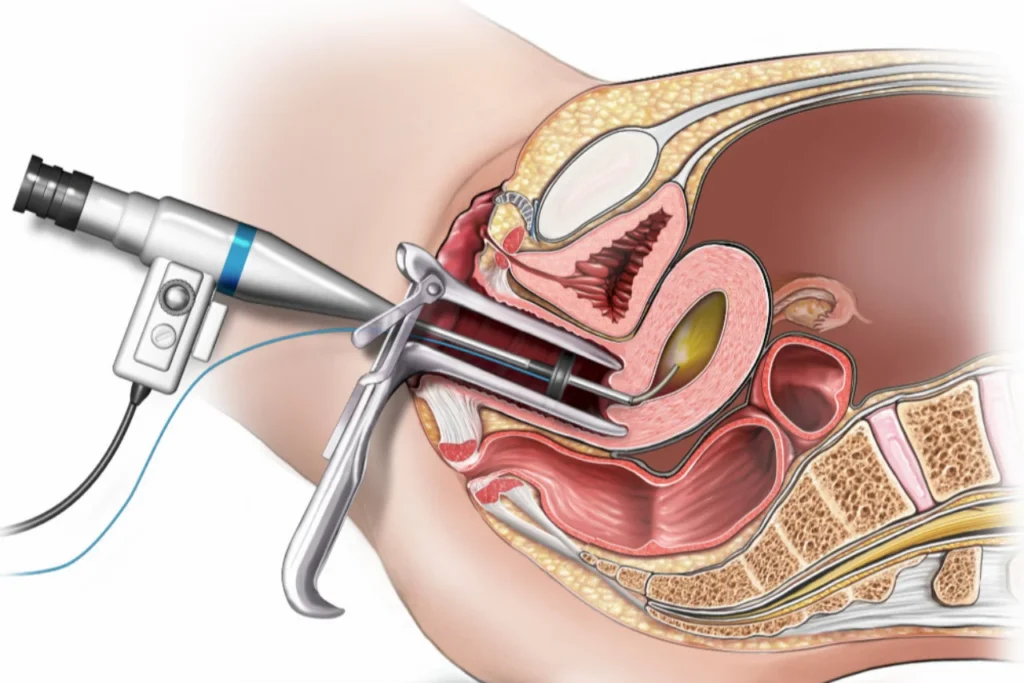
What Is Hysteroscopy?
Hysteroscopy allows direct visual assessment of the uterine cavity. The hysteroscope is gently inserted through the cervix, enabling clear evaluation of the uterus without any abdominal incision.
Depending on the findings, minor treatments may also be performed during the same procedure, reducing the need for multiple interventions.
When Is Hysteroscopy Recommended?
Hysteroscopy may be advised in the following situations:
- Abnormal or irregular uterine bleeding
- Evaluation of uterine polyps or fibroids
- Assessment of uterine abnormalities
- Investigation of infertility or recurrent pregnancy loss
- Suspected intrauterine adhesions (Asherman’s syndrome)
- Removal of retained tissue or foreign material
Each recommendation is based on clinical assessment, symptoms, and diagnostic findings
The Hysteroscopy Procedure
The hysteroscopy procedure in Delhi generally involves the following steps:
Pre-procedure evaluation
Medical history, symptoms, and relevant investigations are reviewed before planning the procedure.
Anaesthesia
Hysteroscopy may be performed under local, regional, or general anaesthesia depending on the complexity of the case and patient comfort.
Visual examination
The hysteroscope is introduced through the cervix to examine the uterine cavity in detail.
Diagnosis and treatment
If required, conditions such as polyps, fibroids, or adhesions may be treated during the same session.
Recovery
Most patients can return home the same day after short observation.
Hysteroscopy may be advised in the following situations:
- Abnormal or irregular uterine bleeding
- Evaluation of uterine polyps or fibroids
- Assessment of uterine abnormalities
- Investigation of infertility or recurrent pregnancy loss
- Suspected intrauterine adhesions (Asherman’s syndrome)
- Removal of retained tissue or foreign material
Each recommendation is based on clinical assessment, symptoms, and diagnostic findings.
Benefits of Hysteroscopy
Hysteroscopy offers several advantages over traditional surgical methods:
- Minimally invasive with reduced recovery time.
- No large incisions required, minimizing scarring.
- Immediate diagnosis and treatment during the same procedure.
- Increased patient comfort and satisfaction.
The use of advanced hysteroscopic techniques helps achieve accurate diagnosis with optimal outcomes.
Post-Procedure Care
Following hysteroscopy in Delhi, patients may experience mild cramping or spotting. Post-procedure care includes:
- Avoiding strenuous activities for a short period.
- Monitoring for any unusual symptoms, such as heavy bleeding or fever.
- Scheduling follow-up appointments for further evaluation and management.
By adhering to post-procedure guidelines, patients can ensure a smooth recovery and effective healing.
Hysteroscopy in Delhi
Our clinic provides hysteroscopy services in Delhi with a focus on careful case selection, evidence-based practice, and personalised treatment planning. Each procedure is tailored to the patient’s condition and overall health profile.
The Role of Dr. Buchun Mishra
Dr. Buchun Mishra is experienced in performing diagnostic and therapeutic hysteroscopy. Her clinical approach emphasises:
Structured evaluation and clear communication
Patient safety and comfort
Individualised care planning
Appropriate follow-up rather than routine intervention
The focus remains on accurate diagnosis and ethical medical decision-making.
When Should You Consult a Gynaecologist?
You may consider consulting a specialist for hysteroscopy evaluation in Delhi if you experience:
Persistent or heavy menstrual bleeding
Pelvic discomfort
Difficulty conceiving
Abnormal ultrasound findings
Irregular menstrual cycles
Early evaluation helps guide appropriate diagnostic steps and timely treatment.
